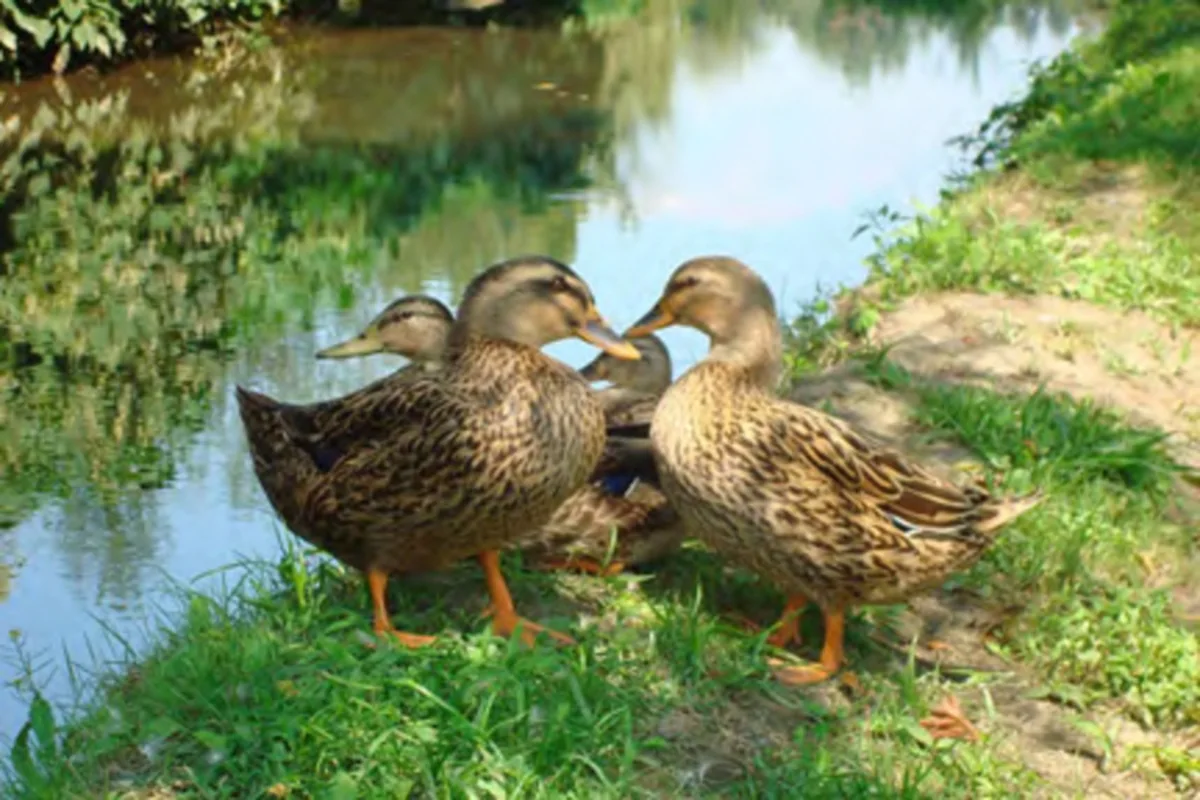
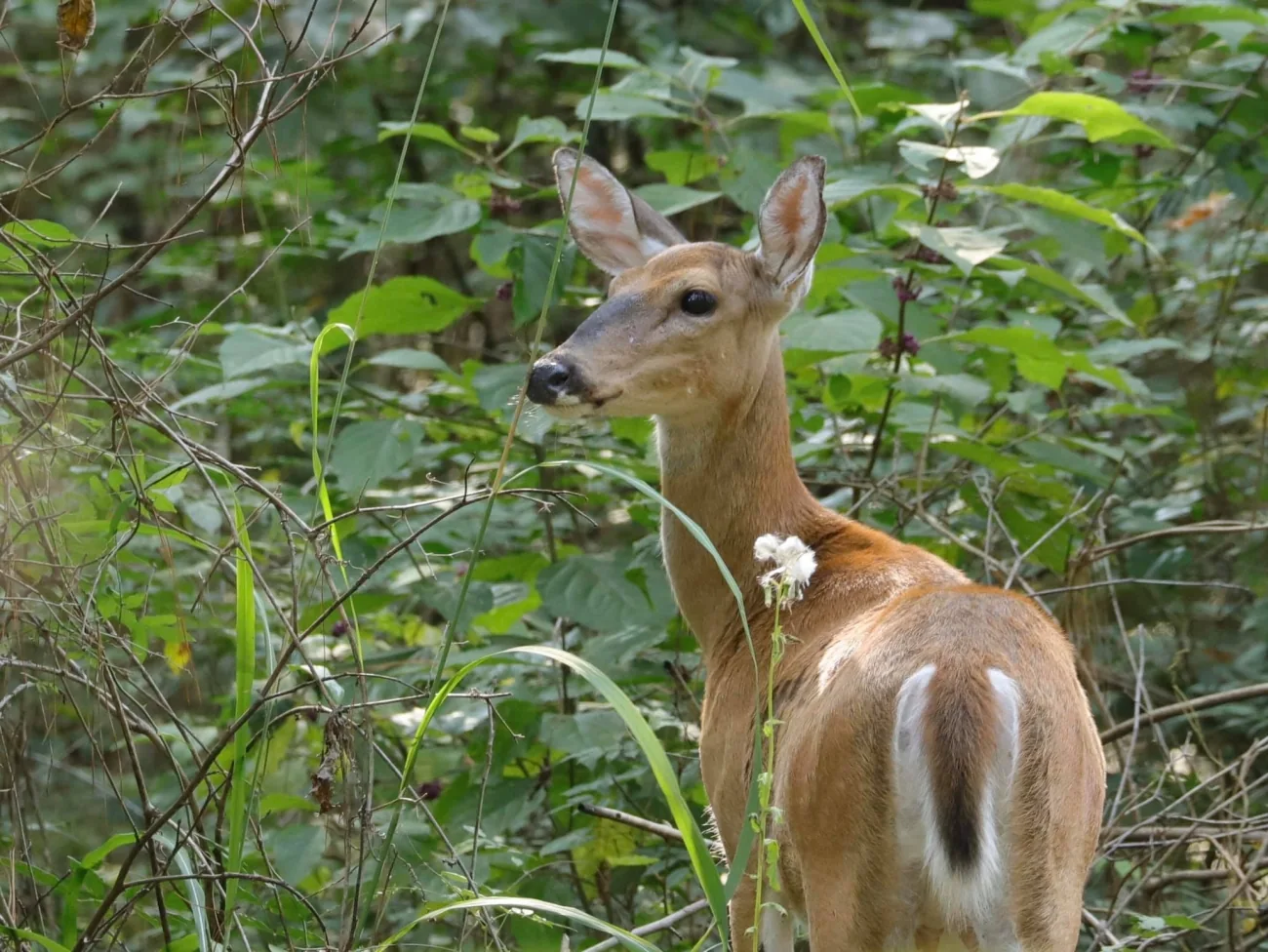
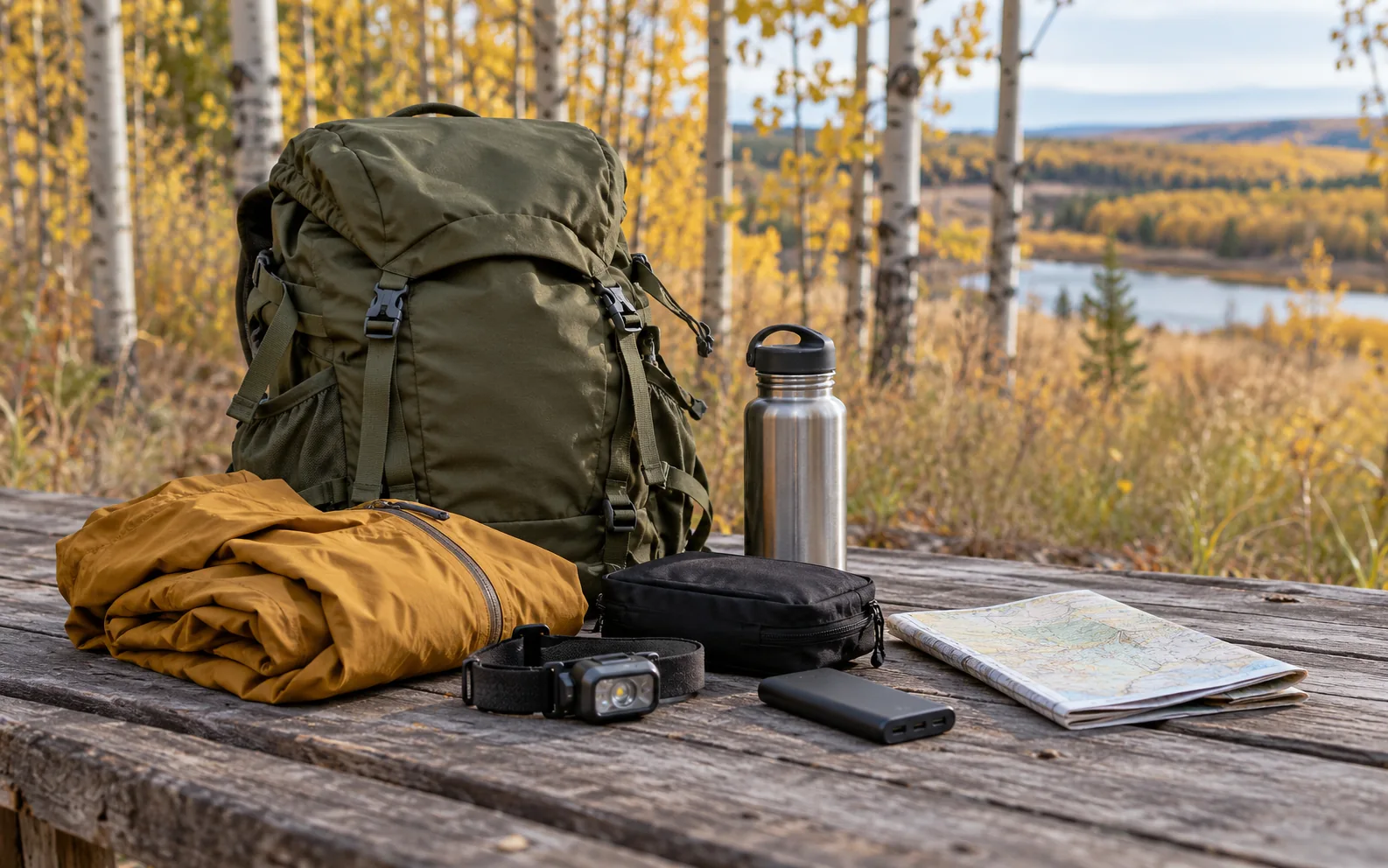
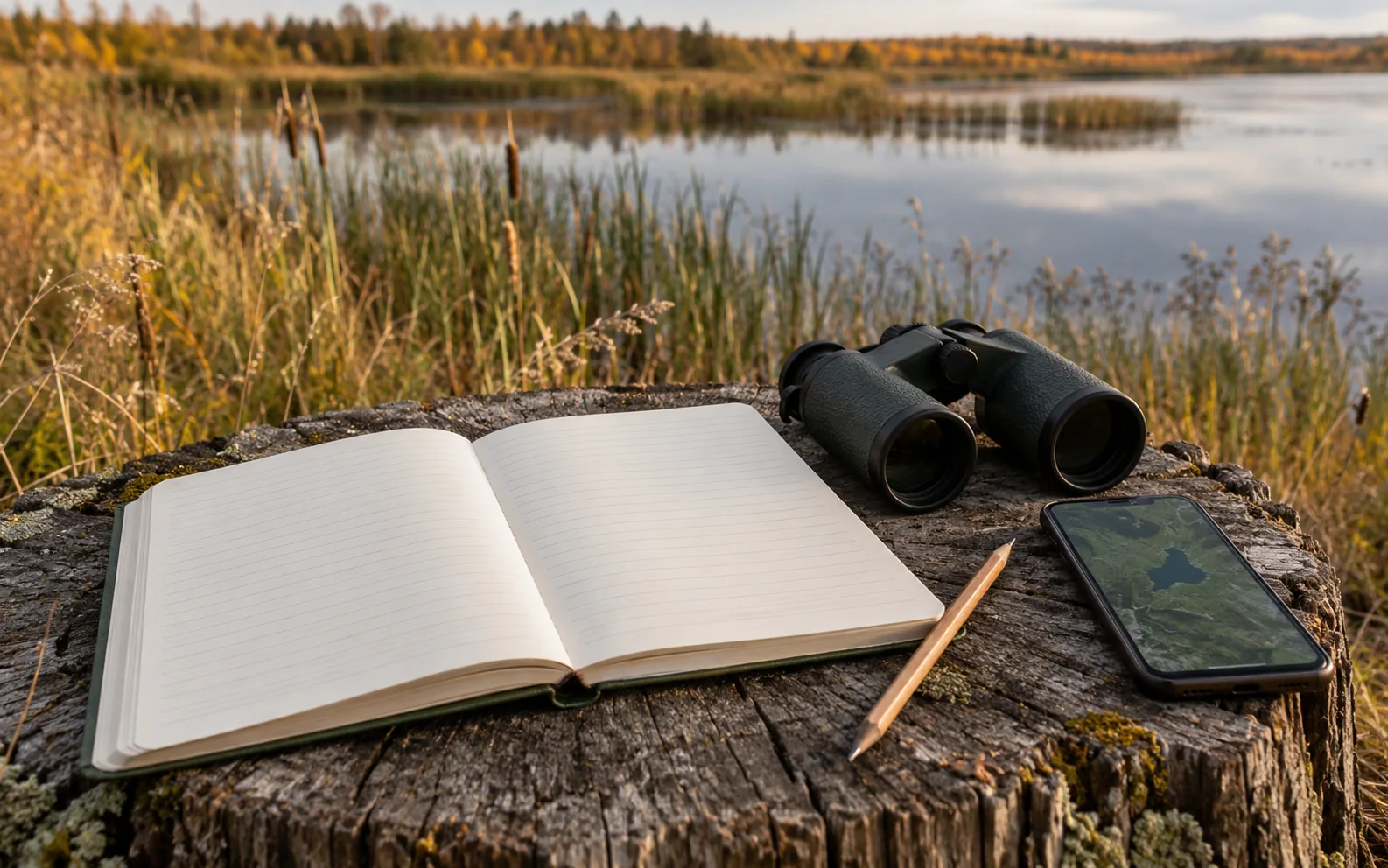
Waterfowl · field or wetland edge
First review shared permit and identification checks; then choose one Goose or Ducks setting. Add equipment and field-care plans to the same outing.
SKHUNTER · Learn
Practical guides for your first season and your next trip. Work through the basics, then connect what you learn to the map.
Follow six connected stages. At each one, prepare something you can explain to a companion; reading an article alone does not finish the task.
A suggested learning route. Every guide stays open, and a completed reading or checklist does not establish legal eligibility, land access or safe conditions.
Separate hunter education, firearms requirements and hunting licences. Check your own residency and licence category before planning around an animal.
Bring to the next stage: A dated document list, the official source for each requirement and any unanswered personal eligibility questions.
Find the exact WMZ and read the relevant species row, licence category and attached notes together. A sale date or reminder is not an open season.
Bring to the next stage: The intended species, WMZ, outing date, applicable official table and unresolved conditions.
Identify who can authorize this specific visit. Agree on people, dates, parking, gates and the route across neighbouring land.
Bring to the next stage: The exact parcel, permission conditions, an agreed entrance and a lawful return route.
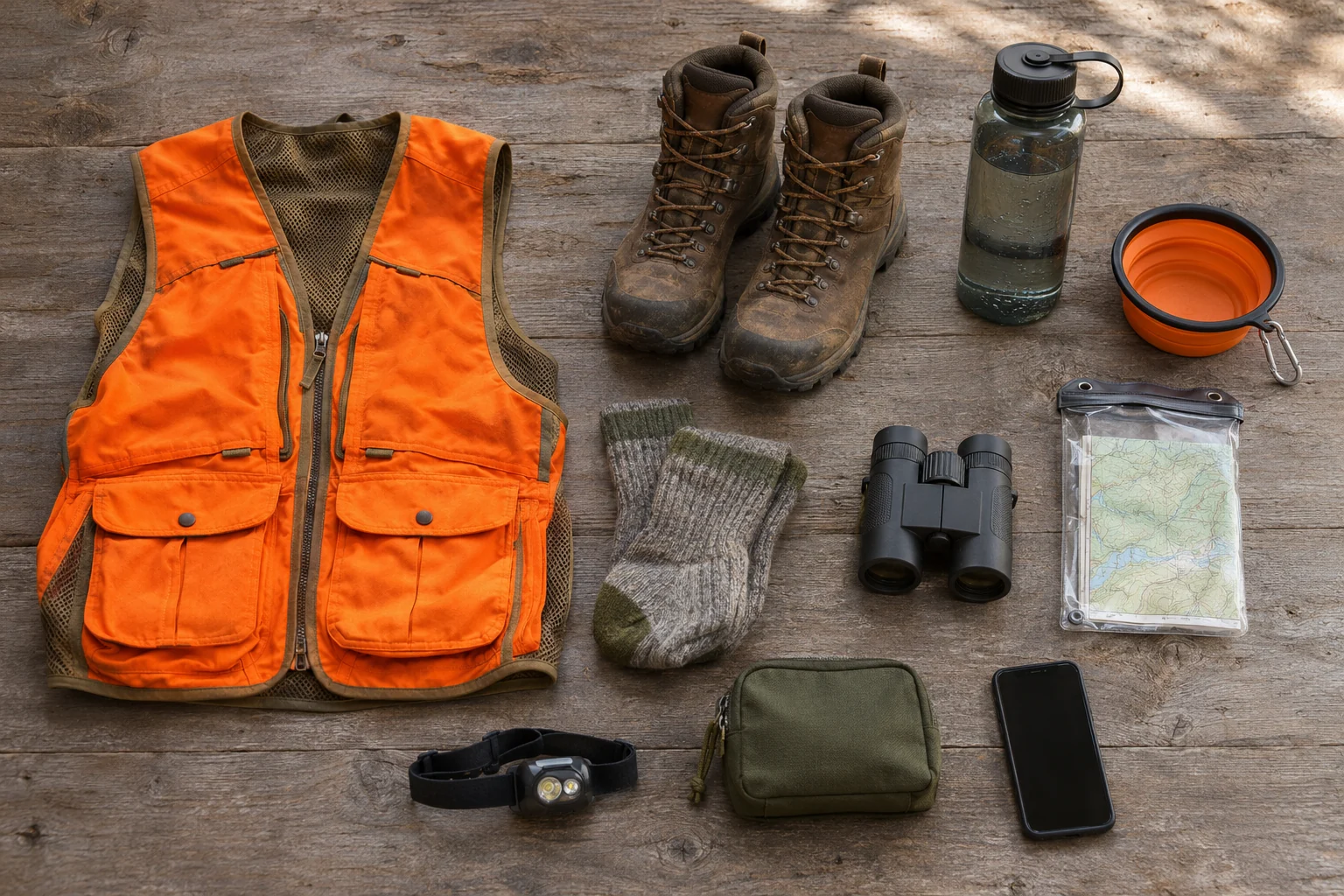
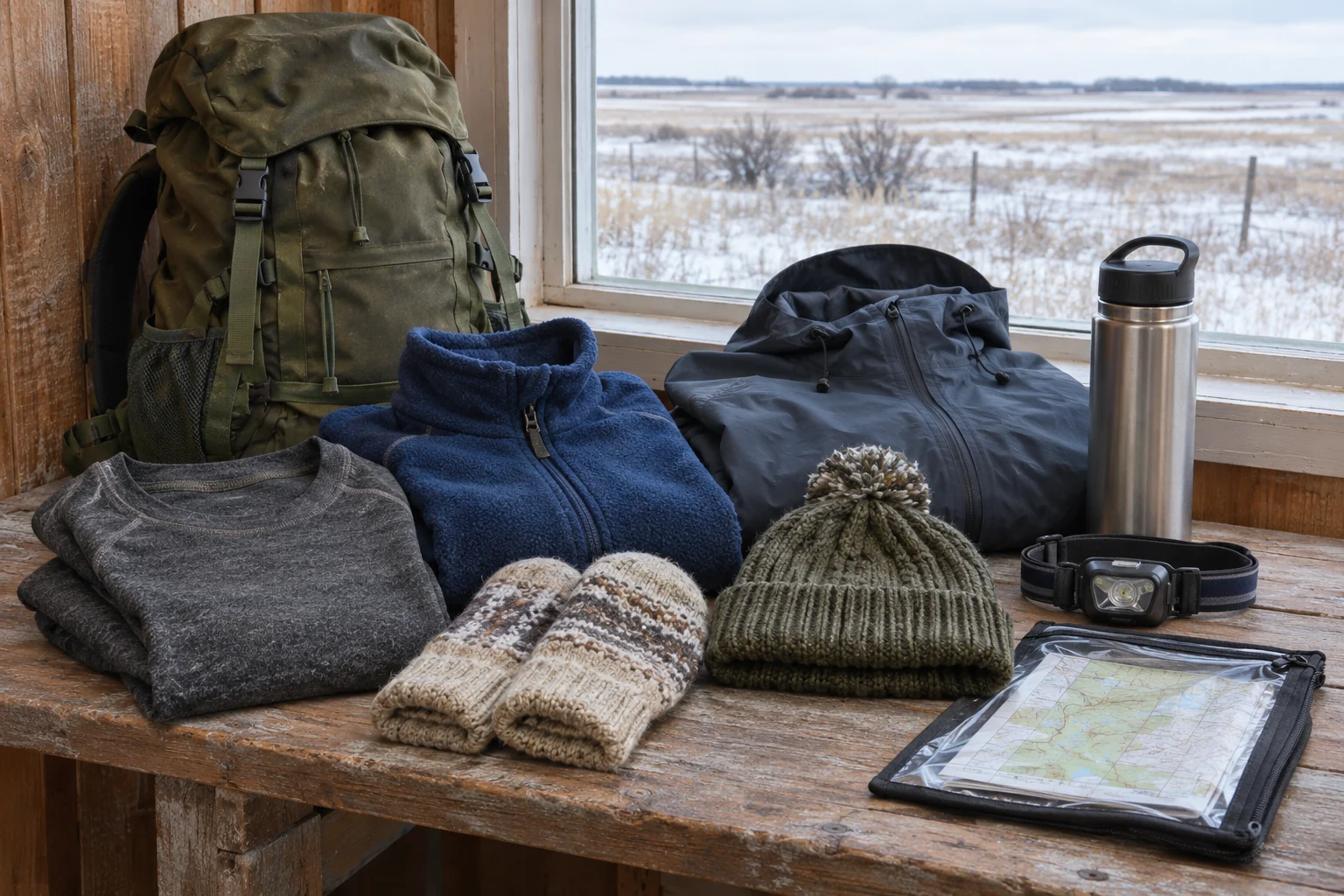
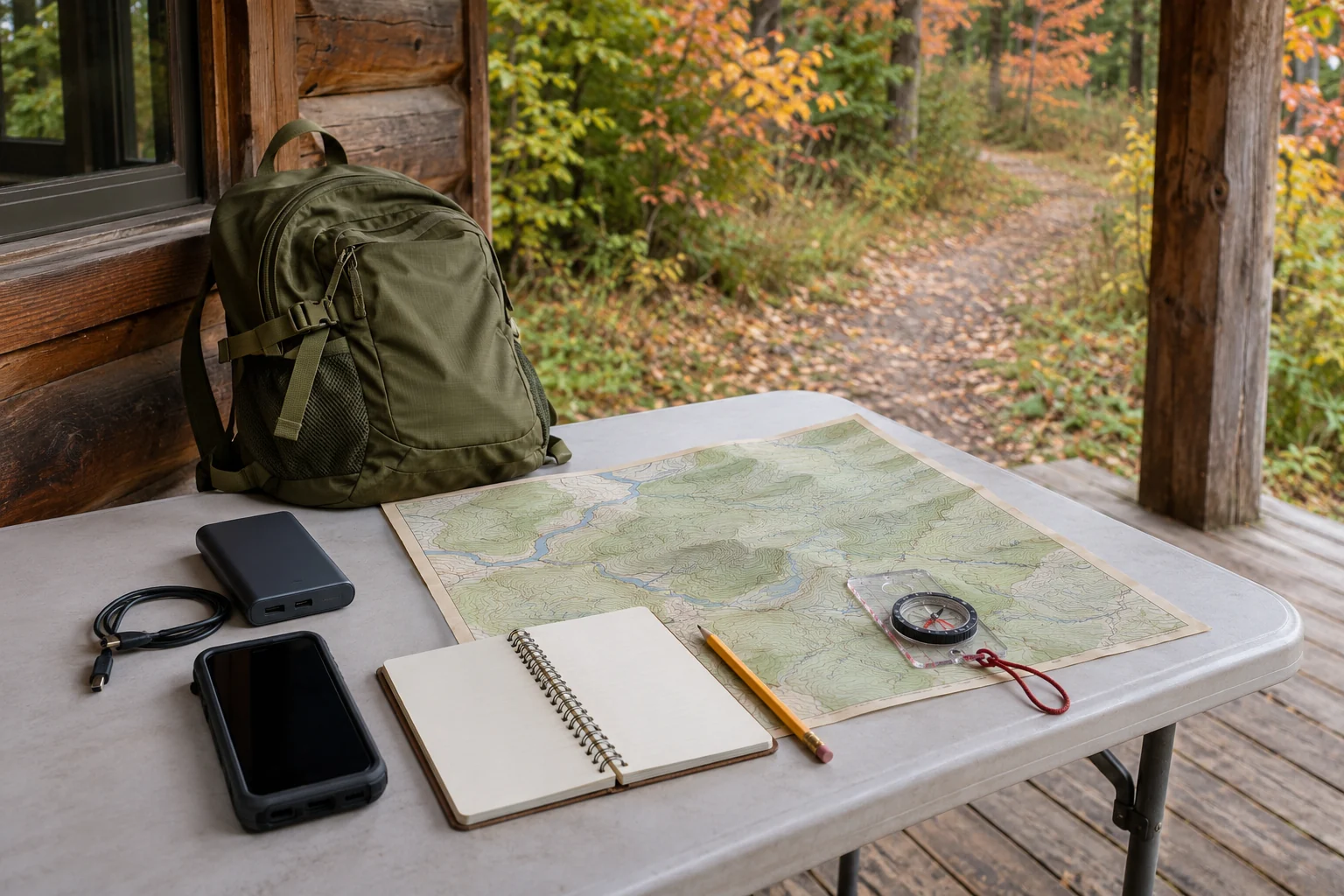
Pack for weather, communication, handling and a complete return. Test the kit at home, then assign shared items to named companions.
Bring to the next stage: A usable kit, a return-time contact, a turnaround decision and a plan if the destination is unusable.
Choose a branch below. Learn its identification checks, setup or walking plan, observation limits and recovery needs before adding more complexity.
Bring to the next stage: One simple plan everyone can describe, including where to stop and when to change or abandon it.
Start with one branch. Review identification and recovery before choosing a place; an observation-only visit can be your first rehearsal.
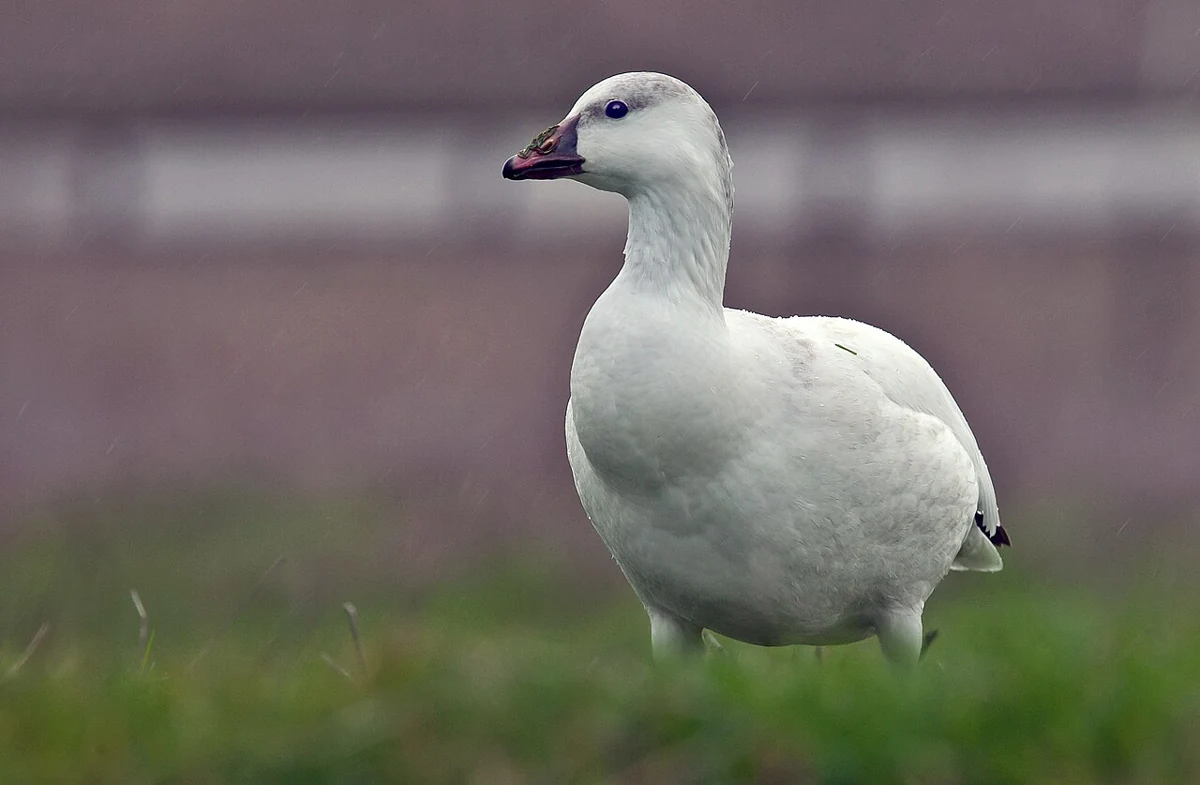
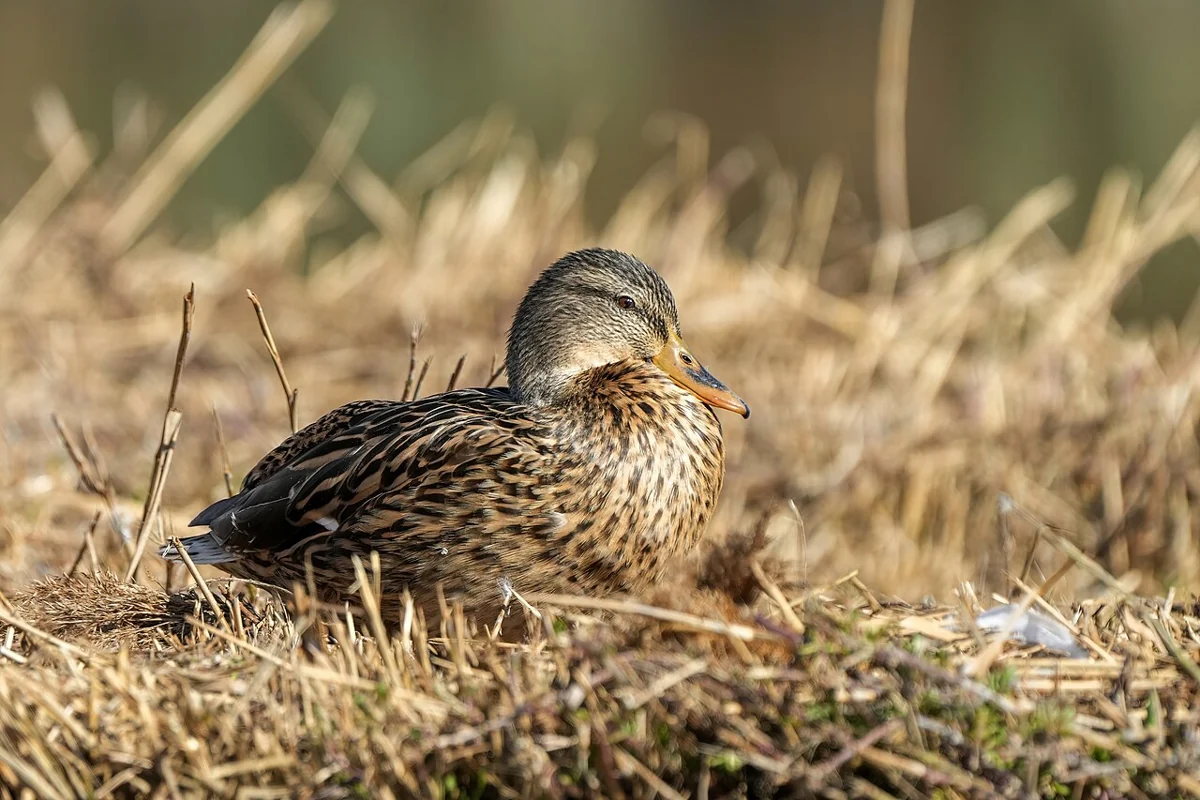
First review shared permit and identification checks; then choose one Goose or Ducks setting. Add equipment and field-care plans to the same outing.
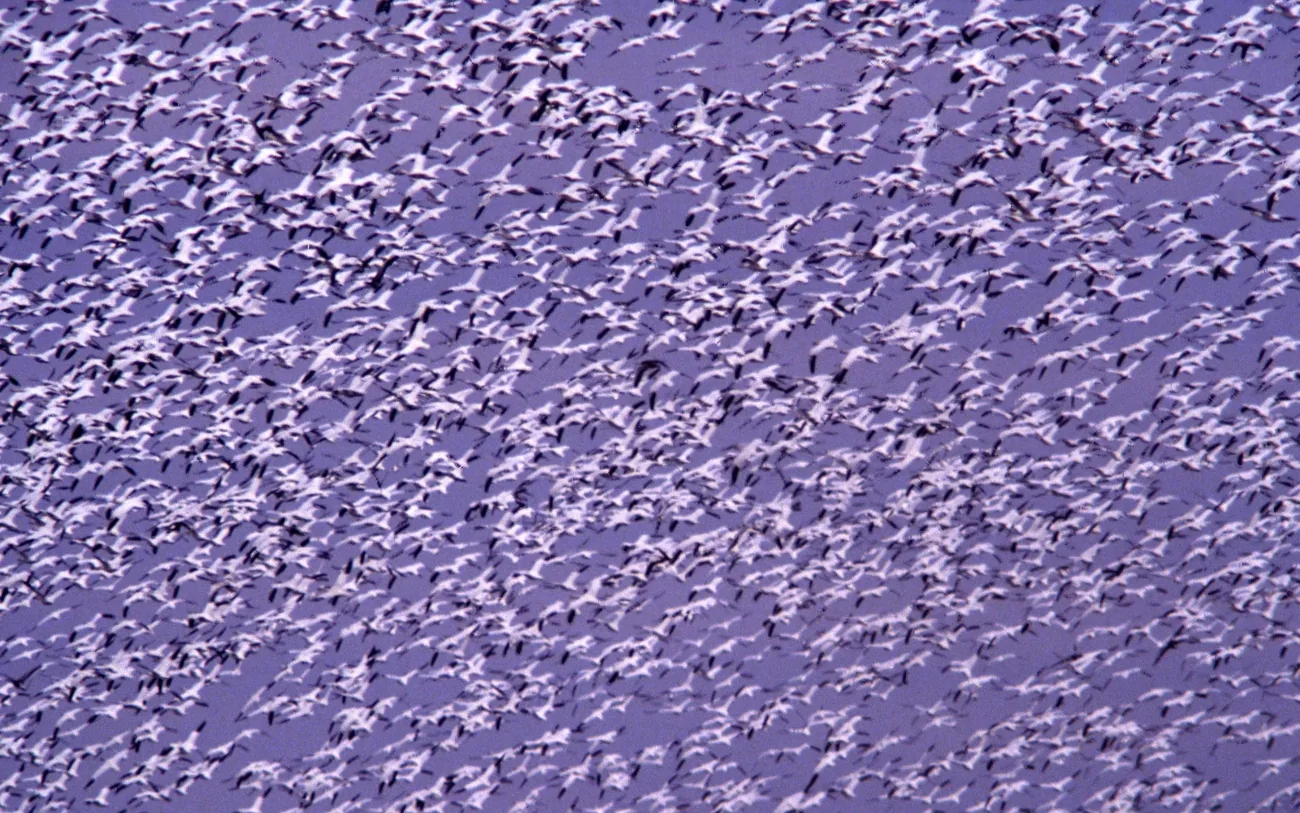
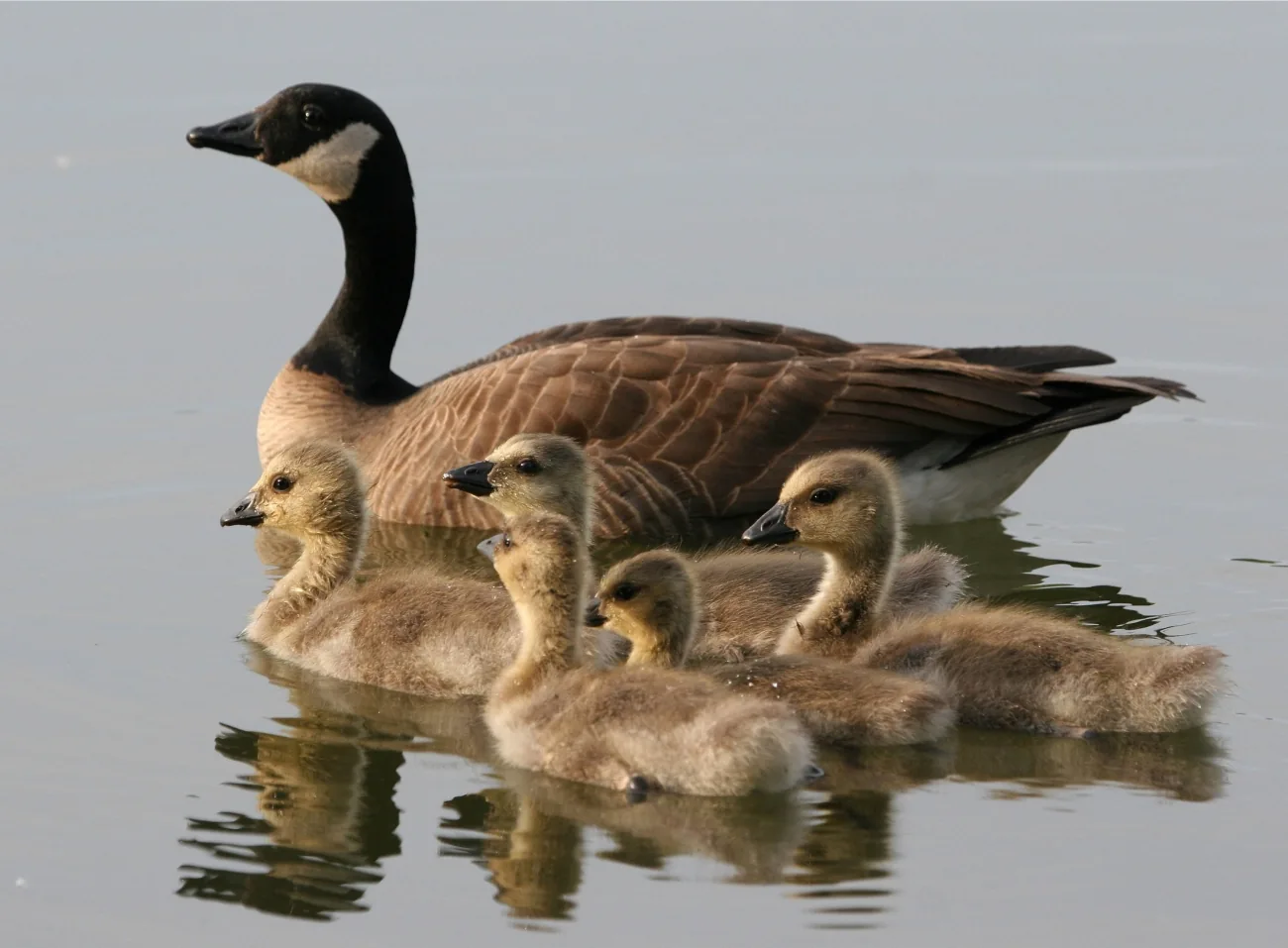
Choose terrain you can describe and return through. Practise identifying the bird group and agreeing on stop points, group spacing and recovery boundaries.
Start with species identification and a verified observation point. Plan the people, route, handling and receiving arrangements needed for a complete lawful recovery.
Prepare handling, cooling, transport and any reporting or sample tasks in advance. After the visit, close the check-in and record what needs to change.
Bring to the next stage: A receiving/transport plan, the applicable reporting checks and one specific improvement for the next outing.
Scenario practice
Try 24 situations across identification, access, field adjustments and harvest care. Compare your choice with the explanation, then revisit the relevant lesson.
Save courses and review situations deliberately. Load your account records on another device when you want to continue.
Bookmarks and review choices stay in this browser until you load and save an account. Answers and time spent reading are not recorded.
Find your marked situations by title or topic, then open the original question and explanation.
Your review choices will appear here when this learning view is ready. Use the account controls above to load account choices.
No situations are marked for review in this learning view.
No saved situation matches these filters. Clear the search or choose all topics.
Choose a learning route, or find a guide by species, terrain and experience. Build on what you have read, then connect it to your own trip.
Start with documents and access, then work through the area, timing and your field notebook.
Review the shared bird checks, then compare goose, dry-field Ducks and wetland-edge methods.
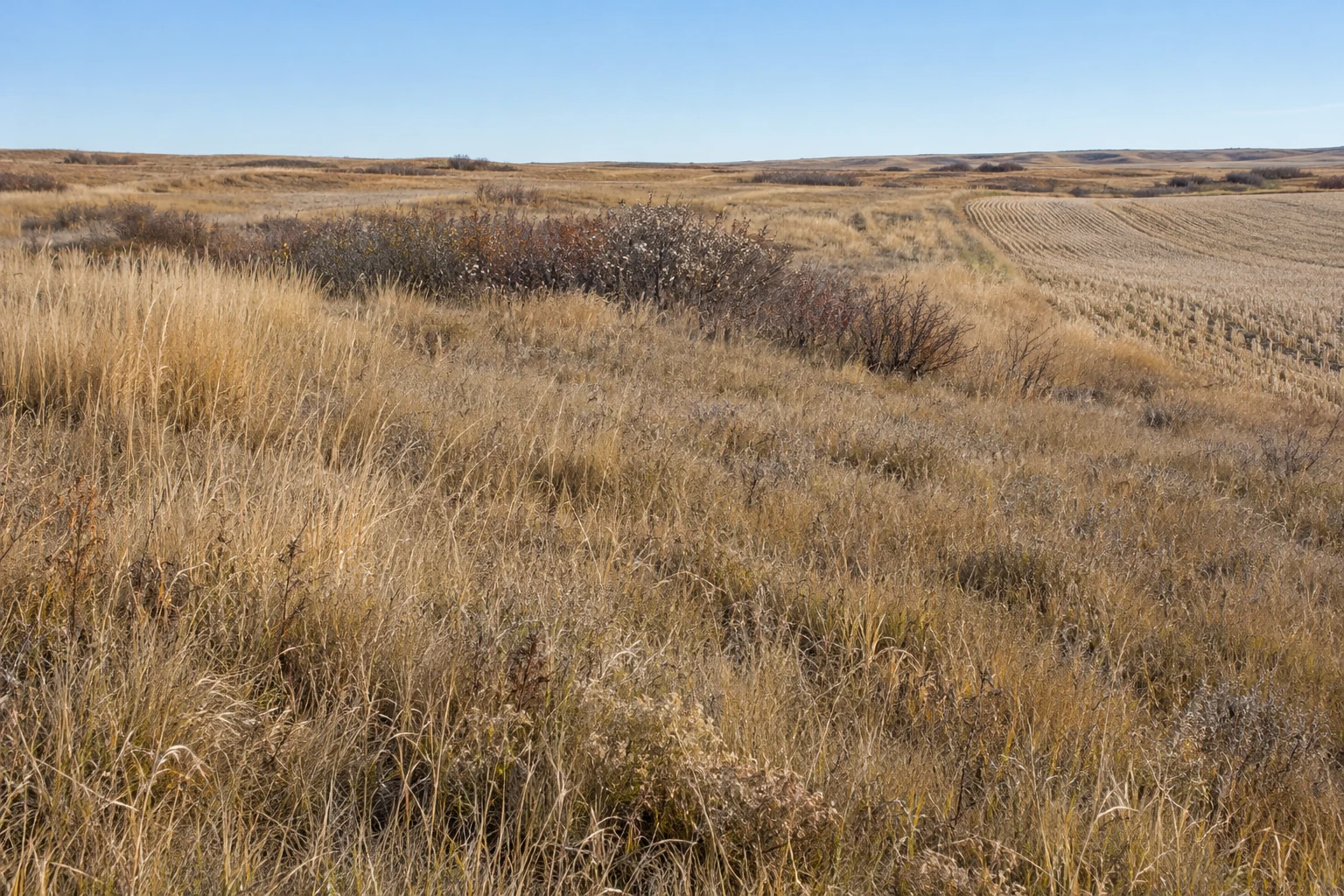
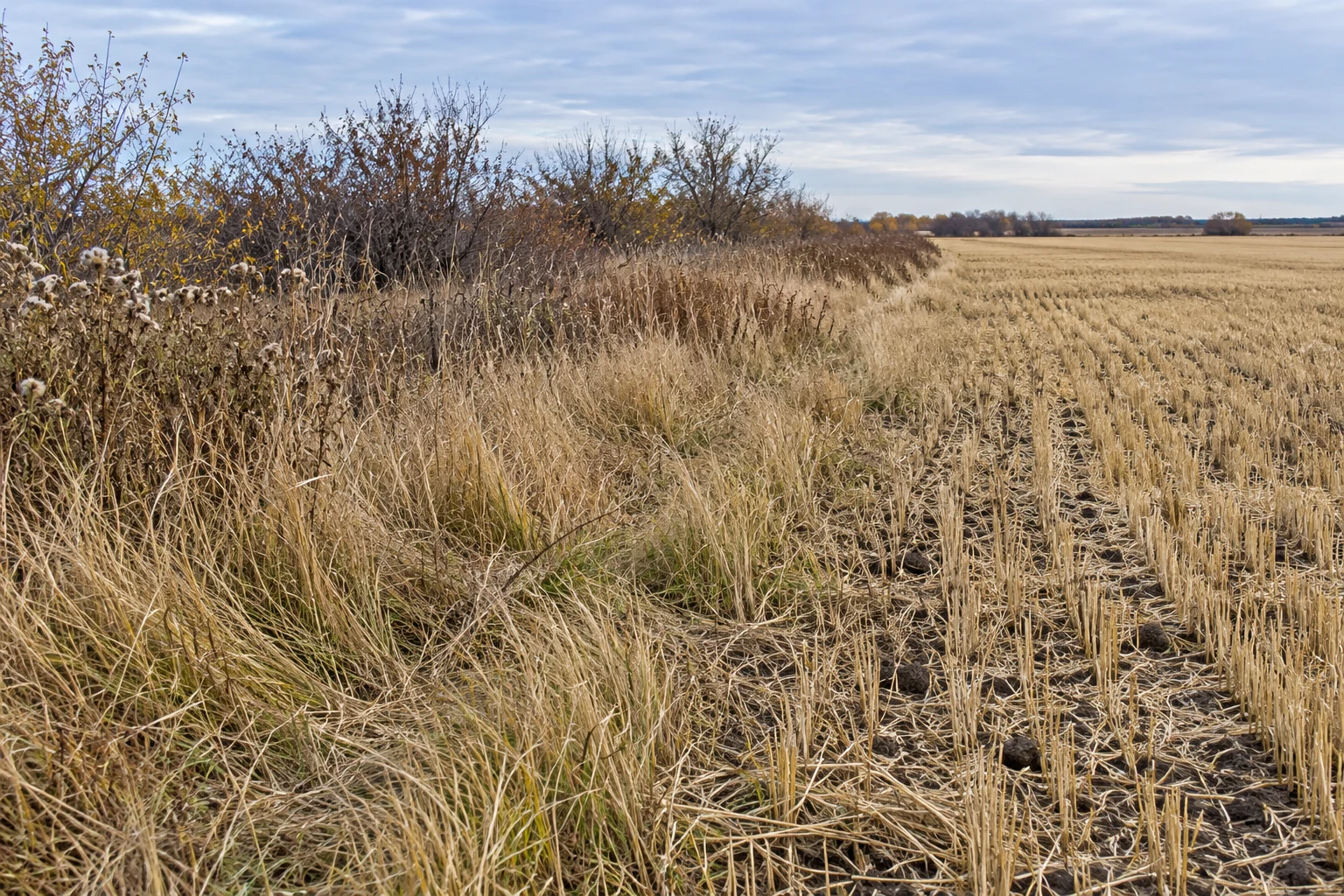
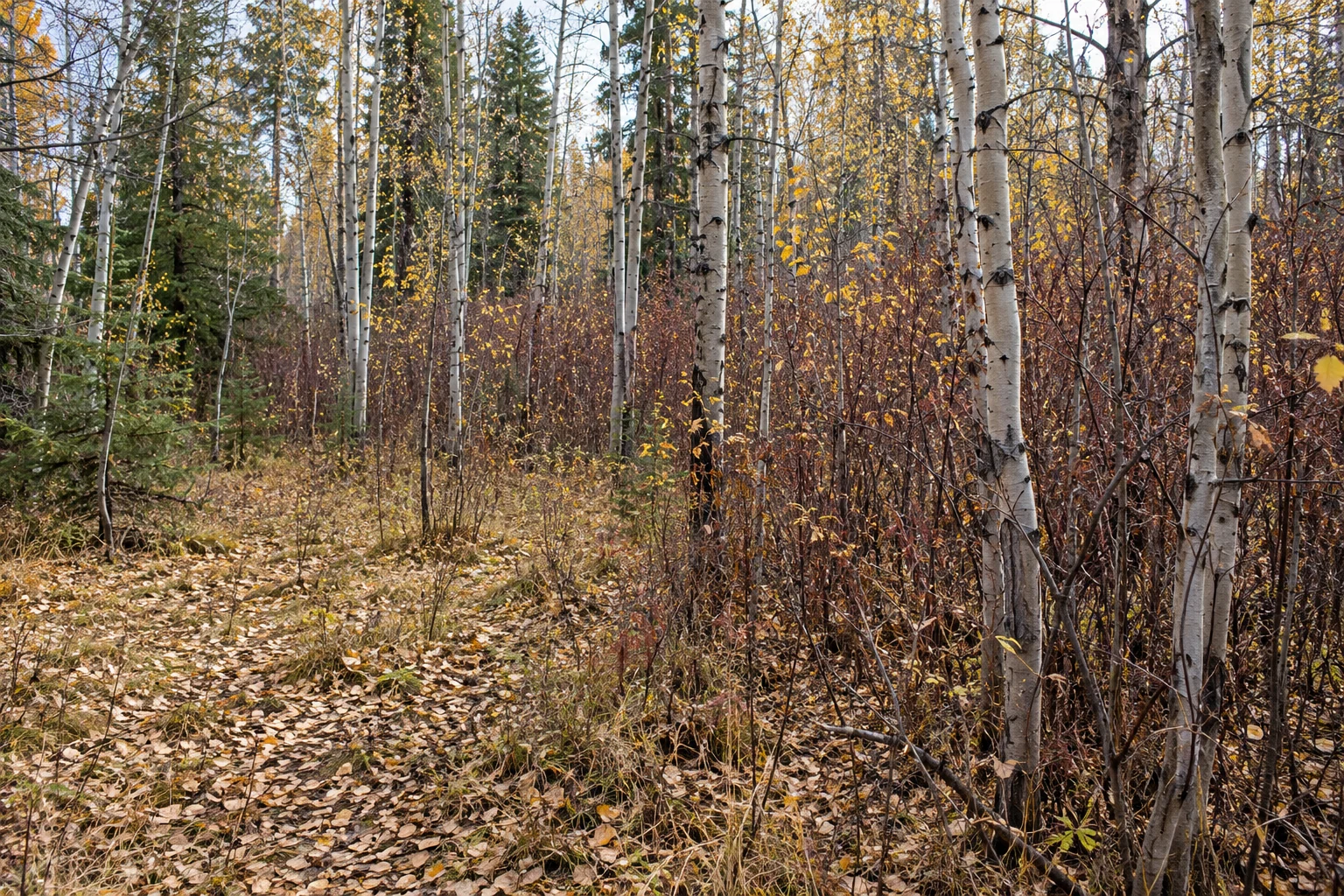
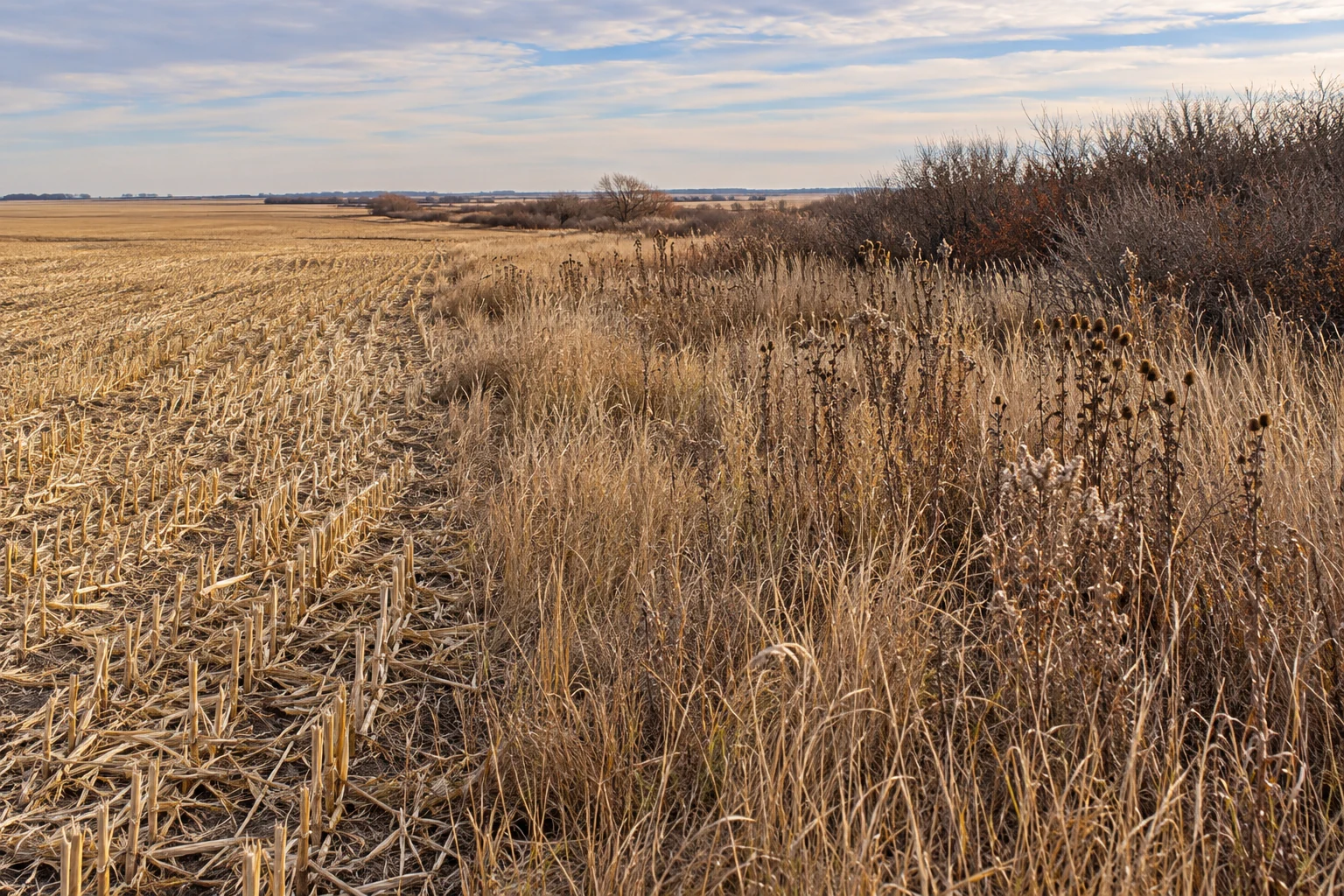
Compare prairie, field-edge and woodland approaches, with clear stop points and recovery plans.
Compare real photographs, visible features and uncertain views before making a name.
Pack for the task, rehearse with the kit and build a repeatable care routine.
Connect clean handling, cooling and transport with labelled storage and thermometer checks.
Compare four species, record what the landscape actually shows and plan the full return.
Rehearse cold-weather, communication and ground-condition decisions before relying on them.
Guest reading progress stays in this browser and is not synchronized to your account automatically. Use the learning panel to include browser marks and save them explicitly. Clearing site data removes browser marks.
Matching guides: 31
Find your next unread guide within the current catalogue results.
Estimates cover article reading only. Videos, exercises and field preparation take additional time. A reading limit hides guides without an estimate. Sorting and this limit stay on this page; your read marks change only when you choose.
No guides match. Clear a filter or shorten the search.
Choose one achievable outing, check eligibility and permission, and build a plan you can explain before leaving.
A step-by-step way to organise residency, education, provincial licences and additional federal requirements.
Match a precise location with the right zone, year, species, residency and hunting method before planning a hunt.
Identify the parcel, find an authorised contact and record the conditions that matter for your visit.
Bring together species identification, federal and provincial checks, current land access and field observations.
Know where to check current requirements and organise the harvest details, sample reference and receiving location.
Turn a shortlist into an outing with confirmed access, a checked approach, useful supplies and a clear return plan.
Keep parcel facts, permission records, entrances and observations together without confusing one type of evidence with another.
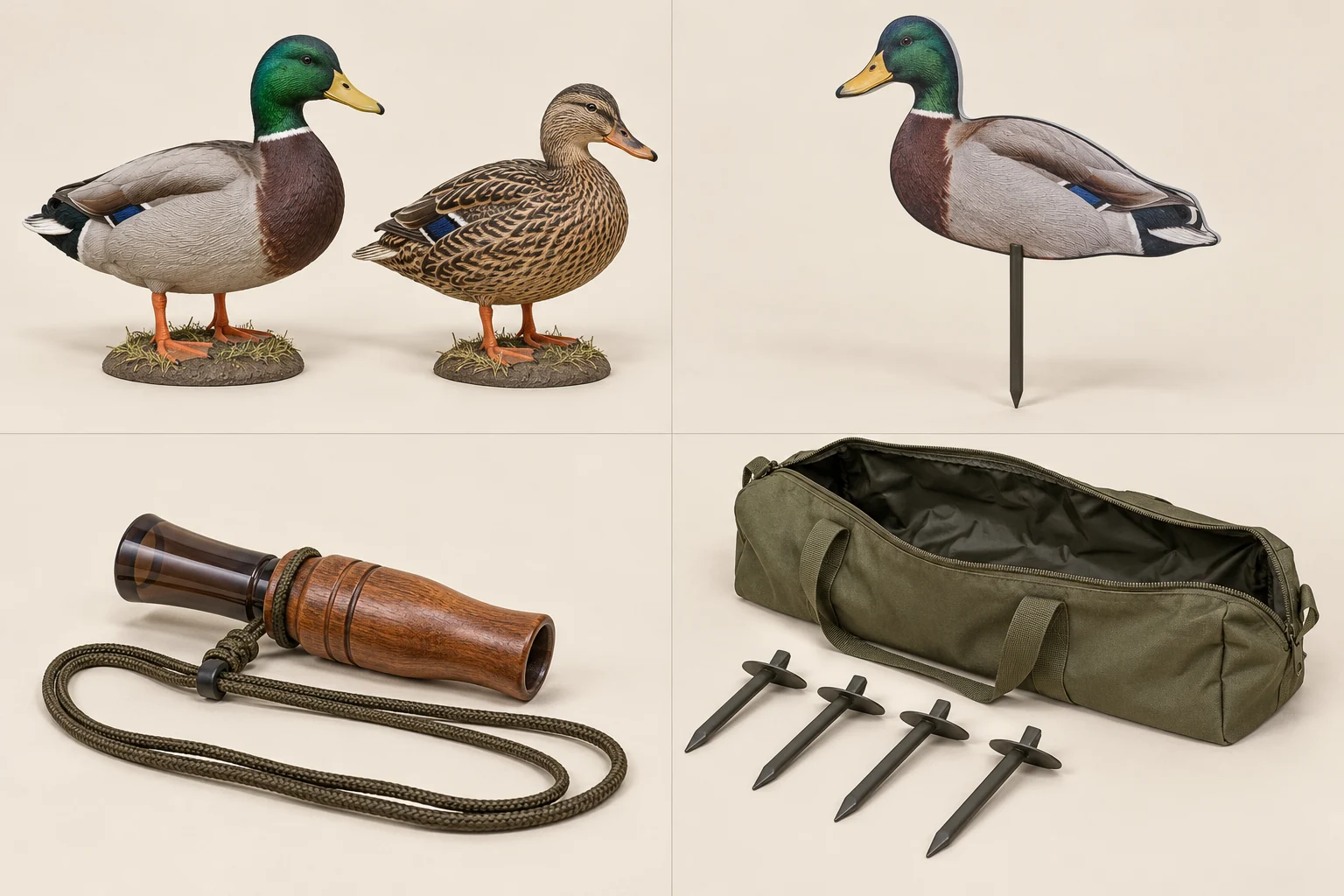
An intermediate, after-permission field lesson: choose a hide, compare decoy tools, leave a usable landing pocket and diagnose the response before changing the setup.
An intermediate dry-field lesson: choose the hide, leave a usable landing pocket, select practical decoys, coordinate the group and adjust from what geese actually do.
An intermediate dry-field lesson covering field decoys, concealment, an open landing pocket, restrained calling, species checks and adjustments from the birds’ response.
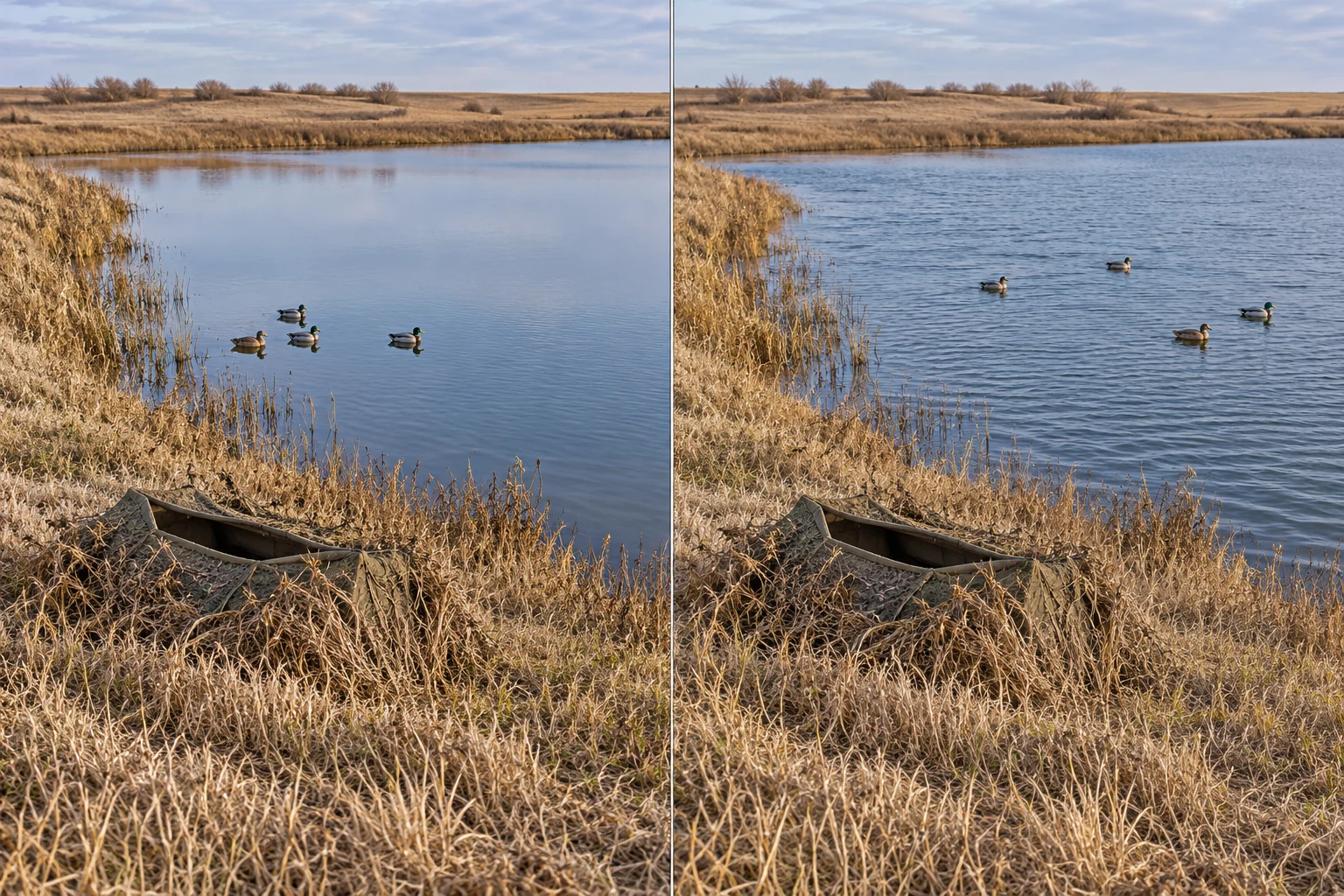
An intermediate bankside lesson: read small-water use, choose firm cover, arrange retrievable floating decoys and keep changing wind, people and recovery under control.
An intermediate prairie lesson on habitat transitions, short walking blocks, companions, trained dogs, stop points and responsible recovery after permission is in place.
An intermediate walking lesson for permitted harvested-field edges: find useful cover, follow the wind, keep the group together and plan recovery with or without a trained dog.
A woodland field lesson after permission: compare understory and food cover, choose visible stop points, manage companions and a trained dog, and plan recovery before entering dense growth.
An intermediate field-margin lesson for eligible hunters: read cover transitions, keep companions and dogs accounted for, and let uncertain identification or access stop the approach.
Build a repeatable comparison of bill, head and neck, then practise young birds, imperfect views and a useful uncertain answer.
Go beyond colourful males with a three-species practice station, female and nonbreeding views, and mixed-flock exercises.
Compare tail and rump with head proportions, practise obstructed views, and keep identity separate from location and hunting requirements.
Build personal and shared modules for a dry-field or firm-shore outing, then rehearse carrying, compatibility checks and after-trip care.
Prepare footwear, vest, offline navigation and personal essentials, with a separate module for an accompanying trained dog.
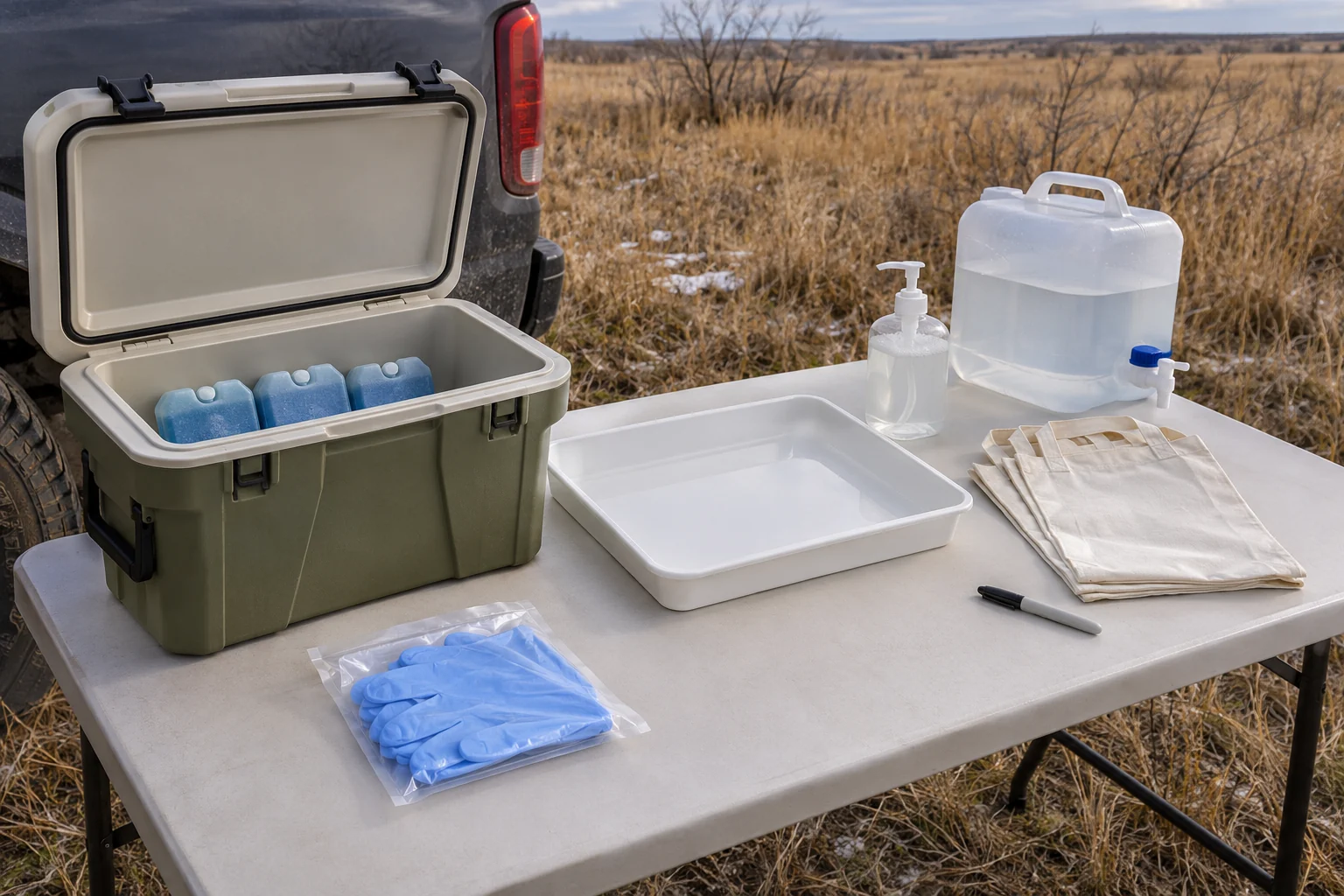
Build a practical clean-to-dirty workflow, retain the required identification and organise prompt cooling before leaving the field.
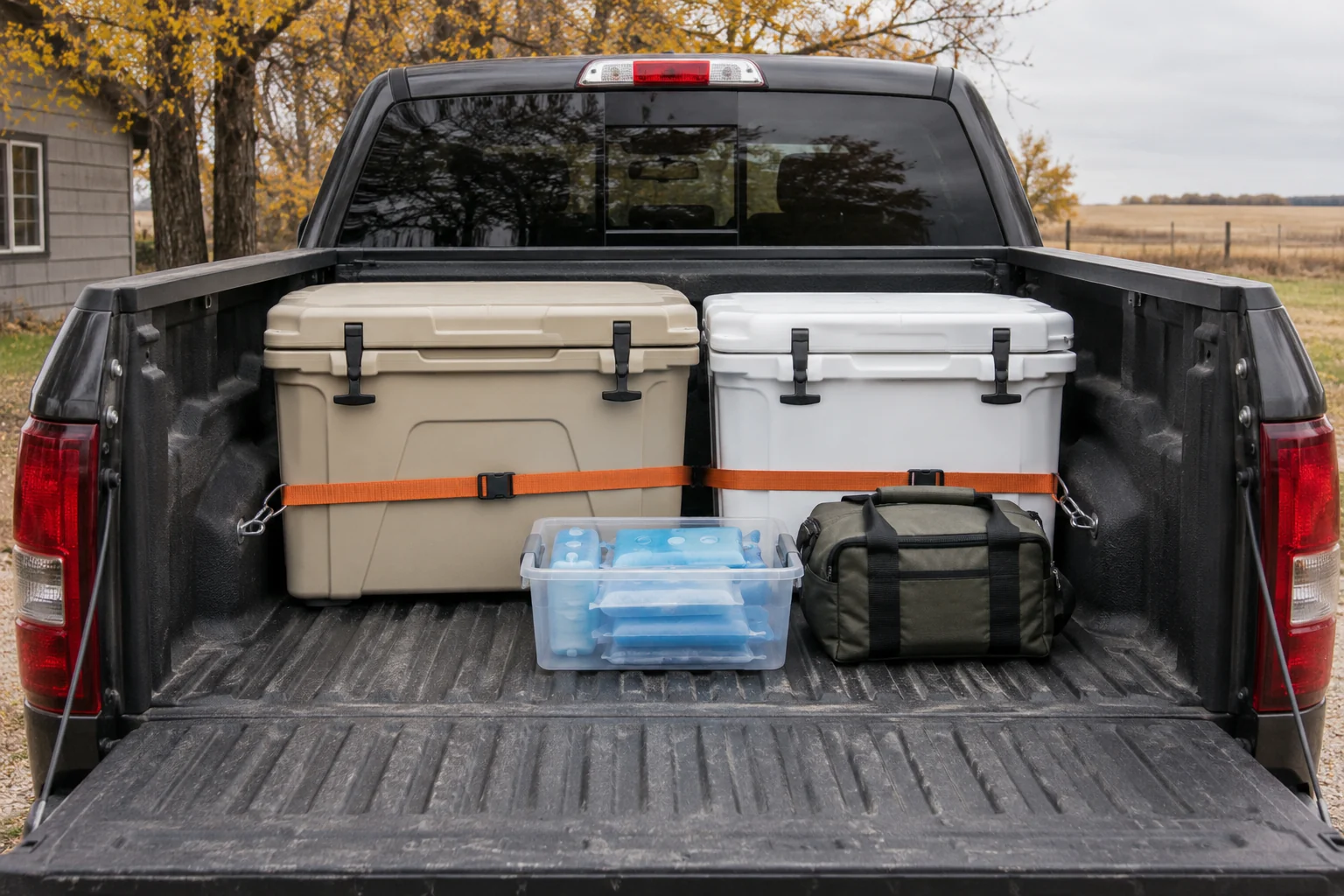
Prepare a realistic route from the field to cold storage, keep parts associated with one animal and organise CWD records without mixing the load.
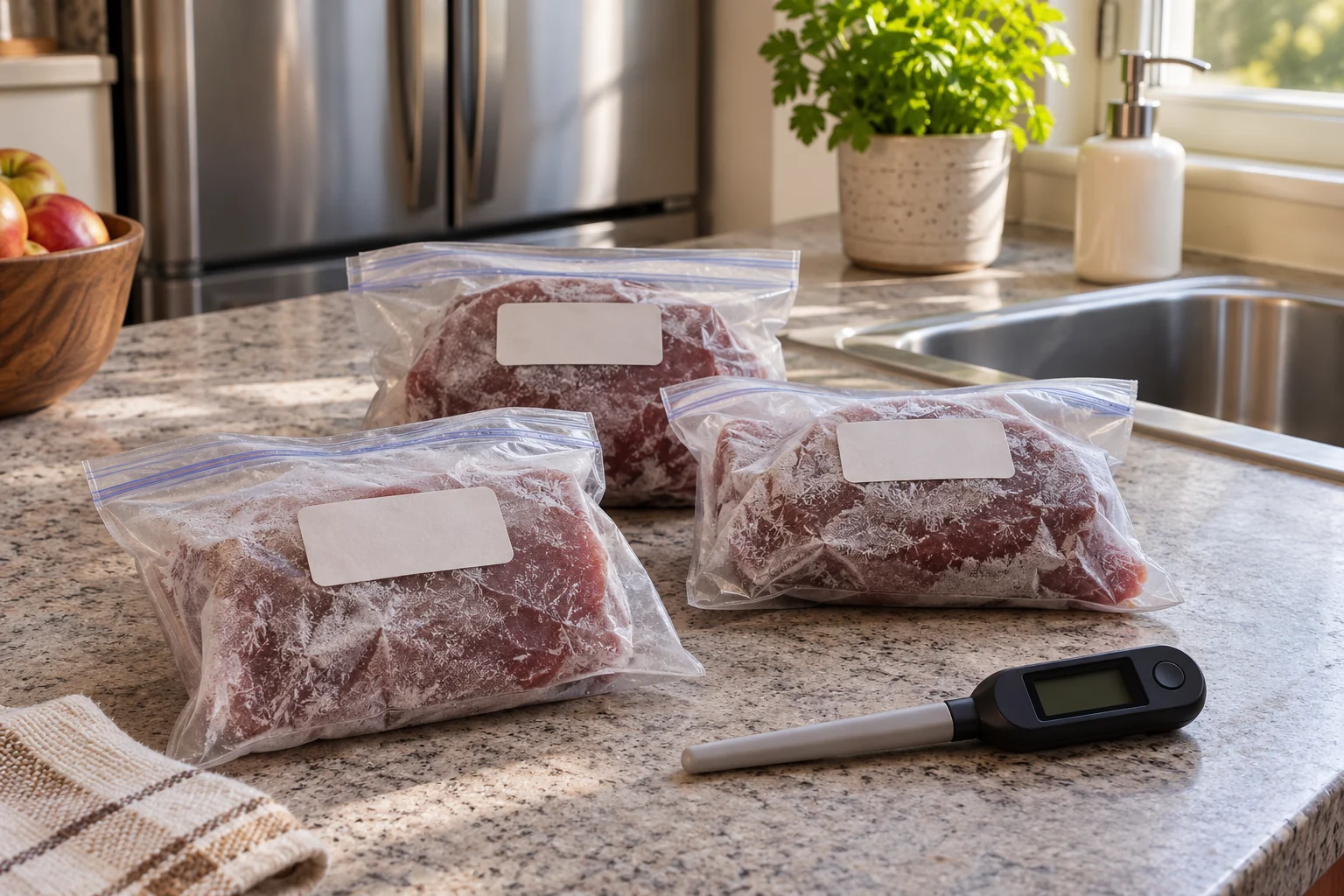
Build a traceable freezer system and a practical kitchen workflow, with separate temperatures for game meat, bird pieces and whole game birds.
Build a small daylight field plan around cover, visible evidence and checked approaches, then decide when to observe, move or finish.
Practise systematic binocular scans, terrain notes and short checked moves across grassland, brush and broken ground.
Build a deliberate observation circuit, count animals without double-counting and connect every farther move to the whole group’s return.
Connect browse, visible animals and firm-ground viewpoints with short forest legs and a realistic large-animal retrieval plan.
Build a weather card, rehearse clothing changes and choose return decisions before a stationary hunting day.
Prepare an offline-capable navigation method, an agreed overdue plan and a calm response to an uncertain position.
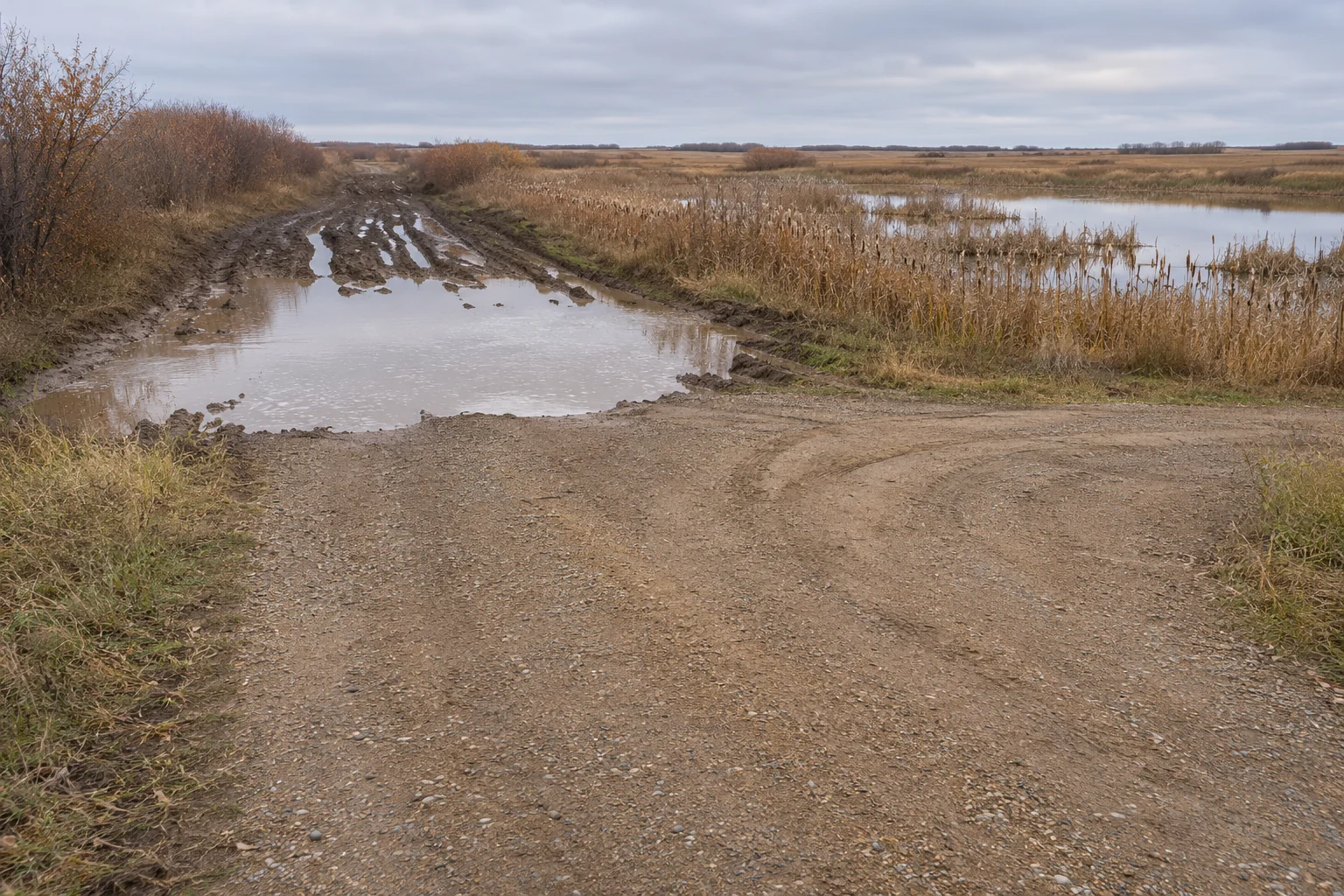
Keep road reports, land permission, shoreline footing and changing water or ice in one practical return plan.